Archives
- 2025-12
- 2025-11
- 2025-10
- 2025-09
- 2025-03
- 2025-02
- 2025-01
- 2024-12
- 2024-11
- 2024-10
- 2024-09
- 2024-08
- 2024-07
- 2024-06
- 2024-05
- 2024-04
- 2024-03
- 2024-02
- 2024-01
- 2023-12
- 2023-11
- 2023-10
- 2023-09
- 2023-08
- 2023-06
- 2023-05
- 2023-04
- 2023-03
- 2023-02
- 2023-01
- 2022-12
- 2022-11
- 2022-10
- 2022-09
- 2022-08
- 2022-07
- 2022-06
- 2022-05
- 2022-04
- 2022-03
- 2022-02
- 2022-01
- 2021-12
- 2021-11
- 2021-10
- 2021-09
- 2021-08
- 2021-07
- 2021-06
- 2021-05
- 2021-04
- 2021-03
- 2021-02
- 2021-01
- 2020-12
- 2020-11
- 2020-10
- 2020-09
- 2020-08
- 2020-07
- 2020-06
- 2020-05
- 2020-04
- 2020-03
- 2020-02
- 2020-01
- 2019-12
- 2019-11
- 2019-10
- 2019-09
- 2019-08
- 2019-07
- 2019-06
- 2019-05
- 2019-04
- 2018-11
- 2018-10
- 2018-07
-
The expression of DDR receptor has
2020-09-02
The expression of DDR2 receptor has regulated by numerous types of factors depending upon the cell type. During the osteogenic differentiation, the transcription factorATF4 combined with CCAAT/enhancer binding site in the DDR2 promoter, which is responsible for induction of DDR2 transcription [24].
-
Polymorphism of the CD gene also affected
2020-09-02
Polymorphism of the CD226 gene also affected the progression rate without any significant effect on autoantibody formation. This gene has been reported to be a common genetic factor in multiple autoimmune diseases such as SLE, systemic sclerosis and type 1 diabetes [43]. CD226 is an immunoglobulin s
-
Testosterone is inactivated through hydroxylation and conjug
2020-09-01
Testosterone is inactivated through hydroxylation and conjugation pathways [3], [4]. 6β-Hydroxylation is the main pathway among testosterone hydroxylation processes in the liver microsome. Testosterone 6β-hydroxylation is mainly catalyzed by cytochrome P450 3A (CYP3A) [5], [6], which is expressed in
-
Z-VDVAD-FMK Here two labs that helped characterize
2020-09-01
Here, two labs that helped characterize these two pathways have worked together to further test whether these apparently parallel pathways from β-AR to CaMKII-RyR might be related in series. Much of the work leading to the Epac pathway involved measurement of Ca sparks as an index of SR Ca leak, oft
-
Accordingly we prepared three compounds and as
2020-09-01
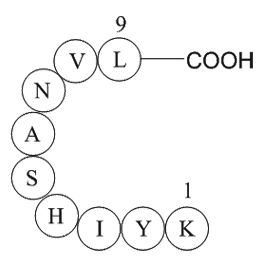
Accordingly, we prepared three compounds (, , and ) as shown in . Condensation of commercially available dgat1 inhibitor with glycine methyl ester gave amide . A Friedel–Crafts reaction between compound and 4-methyl valeryl chloride in the presence of aluminum chloride mainly produced undesired com
-
Even minor alterations in the surfactants structure could
2020-09-01
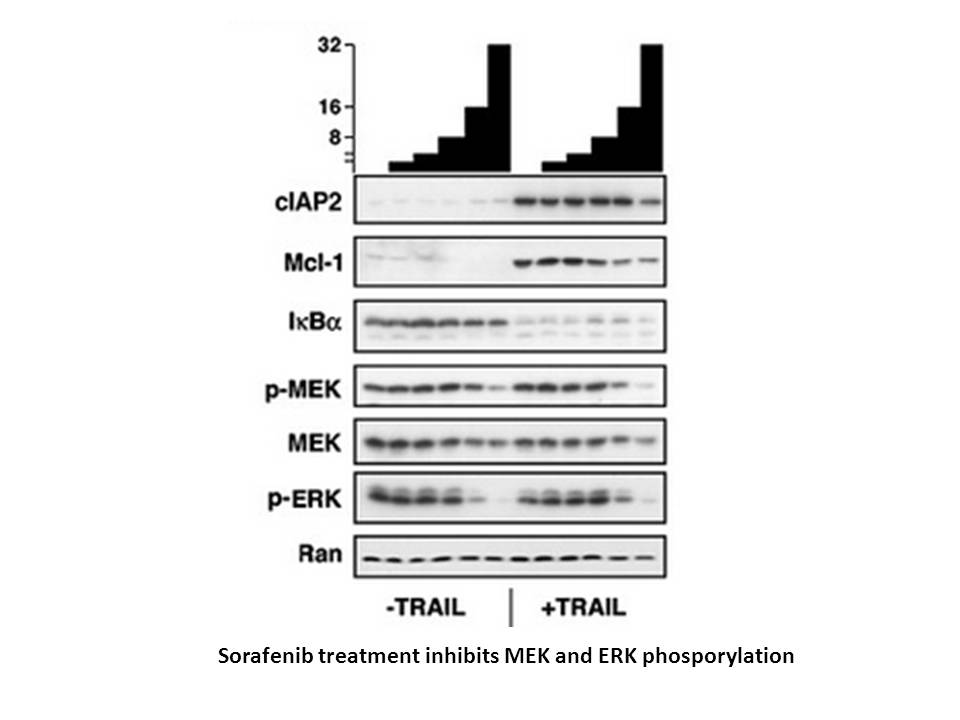
Even minor alterations in the surfactants structure could have consequences on their physico-chemical characteristics; mono-RLs have less solubility, stronger surfaces sorb, and stronger cationic metals binding than homologue di-RLs (Zhang et al., 1997). The HPLC separation of RLs structure is base
-
gw501516 OHC is a potent regulator of
2020-09-01
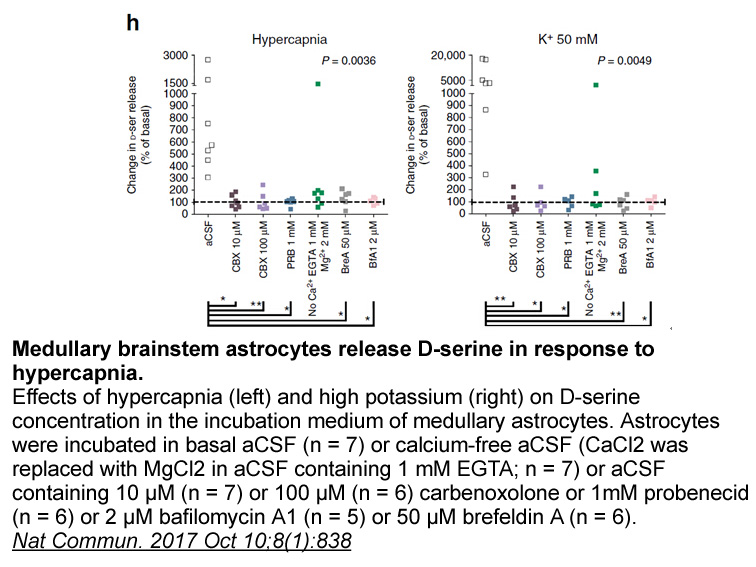
25-OHC is a potent regulator of LXR-mediated pathways, that impact on gw501516 lipid homeostasis [8]. This oxysterol affects expression of the cholesterol efflux pumps ATP-binding cassette transporter (ABC)A1 [9] and ABCG1, and expression of apolipoprotein E [10], [11], [12]. 25-OHC is able to stimu
-
Expression of both CH H and CYP B by
2020-09-01
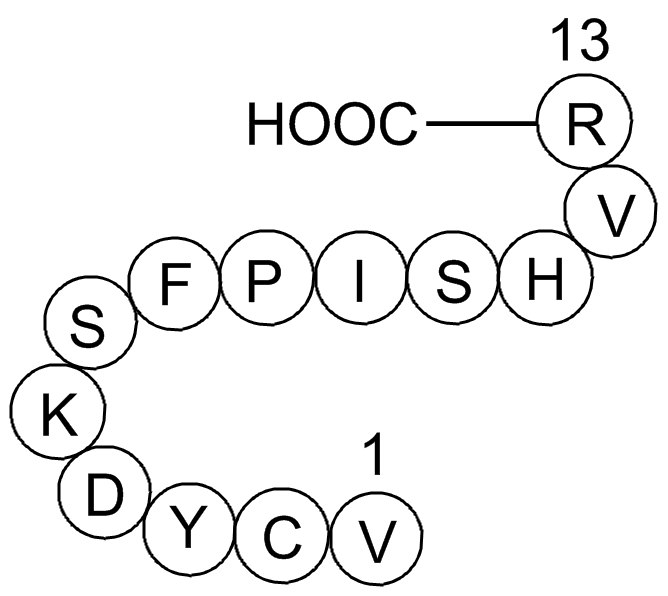
Expression of both CH25H and CYP7B1 by lymphoid stromal clofibrate is required for the synthesis of 7α,25-OHC in lymphoid tissues and the correct positioning of B cells. Production of EBI2 ligand by hematopoietically derived cells appears limited [24] but may occur under some circumstances, given t
-
br Introduction Coping with DNA
2020-09-01
Introduction Coping with DNA damage is possible thanks to surveillance mechanisms (checkpoints), that detect the problem and promote its solution [1], [2], and to repair and tolerance pathways that remove the lesions or reduce the damage consequences [3], [4]. Failures in these processes have a h
-
Our ex vivo analysis demonstrates that
2020-09-01
Our ex vivo analysis demonstrates that IL-15 promotes CD122 expression in DGKζ-deficient CD8+ T cells. CD122, which forms a dimer with CD132 in response to IL-2 or IL-15, activates the JAK/STAT and PI3K/mTOR pathways. Whereas antigen-stimulated Lapatinib promote IL-2 sensitivity through up-regulati
-
Propranolol initially discovered in is first
2020-08-31
Propranolol, initially discovered in 1964, is first and most widely studied as a non-selective beta-blocker. Propranolol through β-adrenergic receptor blockade has reduced heart rate and blood pressure and have anti-arrhythmogenic and anti-ischemic effects, and been proposed as an effective strategy
-
br The estrogen receptors History and discovery
2020-08-31
The estrogen receptors: History and discovery In 1958, Elwood Jensen discovered the estrogen receptor, the first receptor ever encountered for any hormone, by showing that reproductive female tissues were able to uptake estrogen from the circulation by binding to proteins. He later demonstrated t
-
Increased levels of PCNA monoubiquitination
2020-08-31
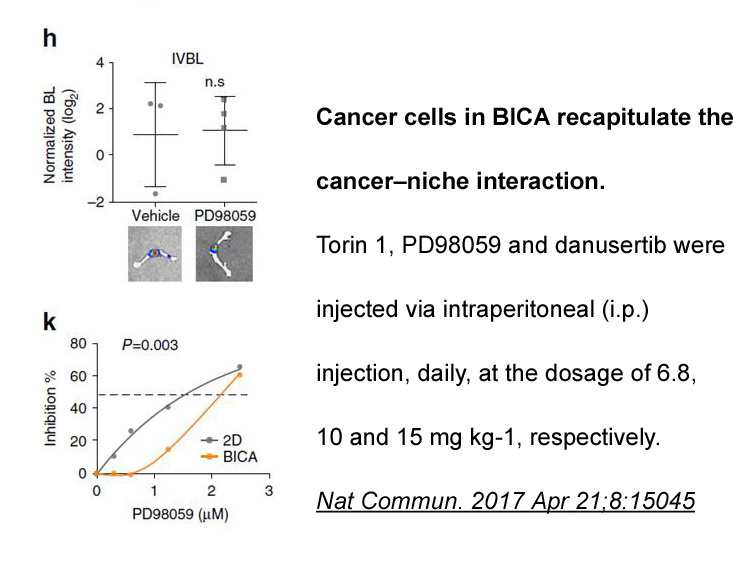
Increased levels of PCNA monoubiquitination by UbL73P expression in a damage-independent manner mimics the phenotype observed for USP1 knockdown (Huang et al., 2006, Jones et al., 2012). USP1 is the only DUB to date shown to remove ubiquitin from PCNA in vivo. This finding reveals the highly dynamic
-
The host virus coexistence is completely dependent
2020-08-31
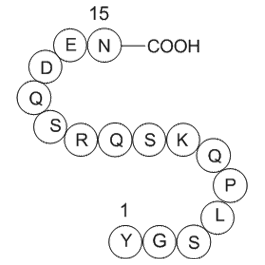
The host-virus coexistence is completely dependent on the balance between a strong immune response inhibiting virus replication and immune evasion and survival of the virus with periodic shedding to enable transmission to new hosts. In the process of ensuring this balance, the virus manipulates 7TM
-
Lymphocyte mobility and homing is modulated by the chemoattr
2020-08-31
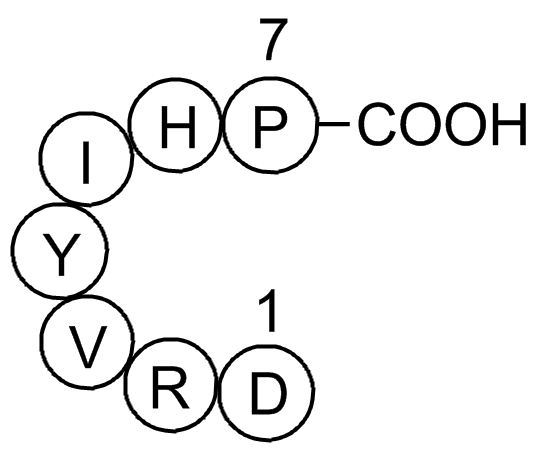
Lymphocyte mobility and homing is modulated by the chemoattractant receptor subfamily of G protein-coupled receptors (GPCRs) (Campbell et al., 2003, Rot and von Andrian, 2004). B cell migration and position are controlled to a large extent by the lymphoid chemokines CXCL13, CXCL12, CCL19, and CCL21
16017 records 786/1068 page Previous Next First page 上5页 786787788789790 下5页 Last page