Archives
- 2026-08
- 2026-07
- 2026-06
- 2026-05
- 2026-04
- 2026-03
- 2026-02
- 2026-01
- 2025-12
- 2025-11
- 2025-10
- 2025-09
- 2025-03
- 2025-02
- 2025-01
- 2024-12
- 2024-11
- 2024-10
- 2024-09
- 2024-08
- 2024-07
- 2024-06
- 2024-05
- 2024-04
- 2024-03
- 2024-02
- 2024-01
- 2023-12
- 2023-11
- 2023-10
- 2023-09
- 2023-08
- 2023-06
- 2023-05
- 2023-04
- 2023-03
- 2023-02
- 2023-01
- 2022-12
- 2022-11
- 2022-10
- 2022-09
- 2022-08
- 2022-07
- 2022-06
- 2022-05
- 2022-04
- 2022-03
- 2022-02
- 2022-01
- 2021-12
- 2021-11
- 2021-10
- 2021-09
- 2021-08
- 2021-07
- 2021-06
- 2021-05
- 2021-04
- 2021-03
- 2021-02
- 2021-01
- 2020-12
- 2020-11
- 2020-10
- 2020-09
- 2020-08
- 2020-07
- 2020-06
- 2020-05
- 2020-04
- 2020-03
- 2020-02
- 2020-01
- 2019-12
- 2019-11
- 2019-10
- 2019-09
- 2019-08
- 2019-07
- 2019-06
- 2019-05
- 2019-04
- 2018-11
- 2018-10
- 2018-07
-
risedronic acid br Conclusions The PQQ dependent CcPDH is th
2021-02-24
Conclusions The PQQ-dependent CcPDH is the first PQQ-dependent enzyme identified in eukaryotes. The PQQ cofactor binds the enzyme with high affinity, reflected in a Kd of 1.1 nM, and the enzyme oxidizes 2KG, l-fucose, and rare sugars such as d-arabinose and l-galactose. The AA8 cytochrome b domai
-
In a recent study Tomkins et al analyzed the
2021-02-24
In a recent study, Tomkins et al. [7] analyzed the protein-protein interaction network of ROCO proteins. Based on a database analysis, and only taking into account interactions reported in at least two peer-reviewed papers and/or confirmed by two different methods, 113 interactors were revealed for
-
Cystatins are potent inhibitors of cysteine proteases from t
2021-02-24

Cystatins are potent inhibitors of cysteine proteases from the C1A family. These inhibitors primarily reduce the activities of cathepsin L-like proteases, although high concentration of barley cystatin hampers the degradation of storage proteins caused by cathepsin F-like protein (HvPap-1) (Cambra e
-
br Introduction Analyses of genomic alterations in
2021-02-24
Introduction Analyses of genomic alterations in cancer have identified epidermal growth factor receptor (EGFR) as one of the most potent “oncogenic driver” kinases that is present in many epithelial tumors including endometrial, breast, prostate, skin, esophagus, lung, stomach, colorectal, and re
-
br Acknowledgements br Introduction Anxiety and depression a
2021-02-24
Acknowledgements Introduction Anxiety and depression are major components of maintaining the cycle of addiction, and are responsible for the negative reinforcement of drug seeking behaviors (Sarnyai et al., 1995, Koob and Le Moal, 2008). Both rats and humans exhibit increased anxiety states du
-
br Conclusion In conclusion the current study showed that ce
2021-02-24
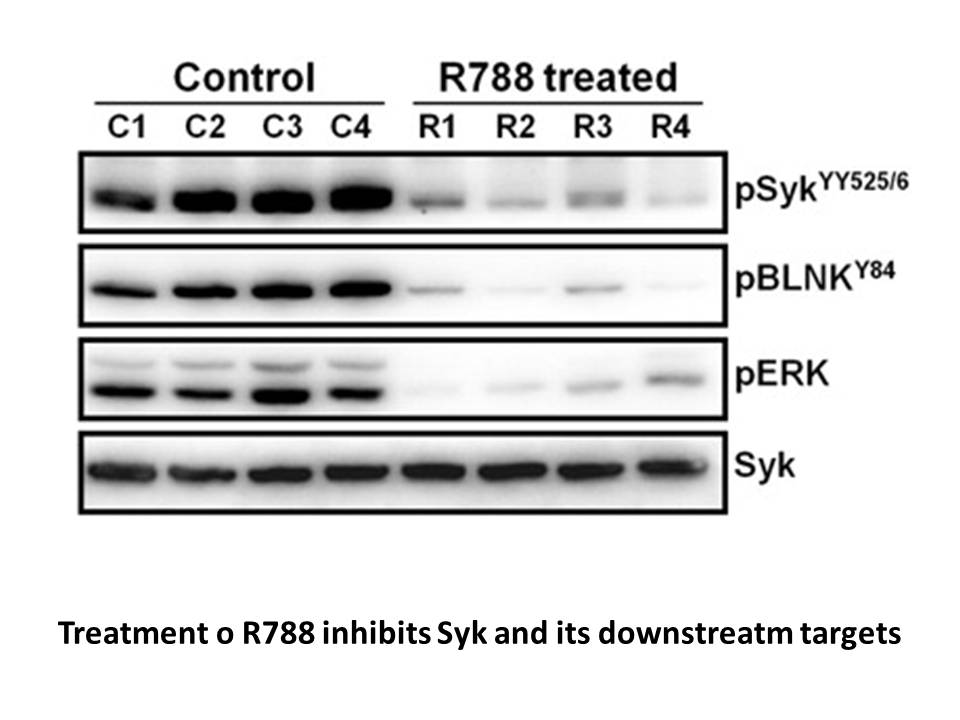
Conclusion In conclusion, the current study showed that central CRF signals have crucial roles in behavioral changes, such as locomotor activity and anxiety behavior. In contrast, the hormonal regulation of CRF through HPA axis can be primarily modulated at the peripheral level. CRF1 receptor ant
-
The two SNPs rs rs presented above are part of
2021-02-24
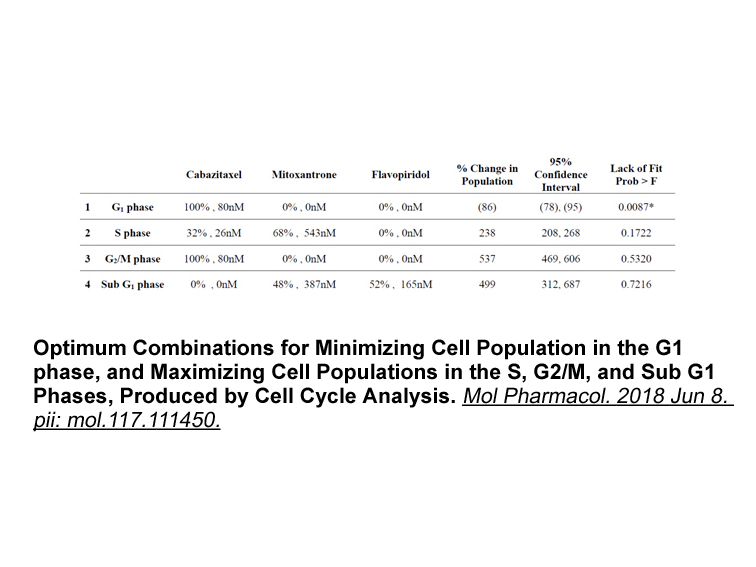
The two SNPs rs4818-rs4680 presented above are part of the haploblock (rs6269, rs4633, rs4818, rs4680) presenting the 3 major haplotypes which influence the enzymatic activity of COMT. This activity is inversely related to the sensitivity of pain in a chronic pain syndrome; so the haplotype (GCGG) h
-
These data indicate that in the context
2021-02-24
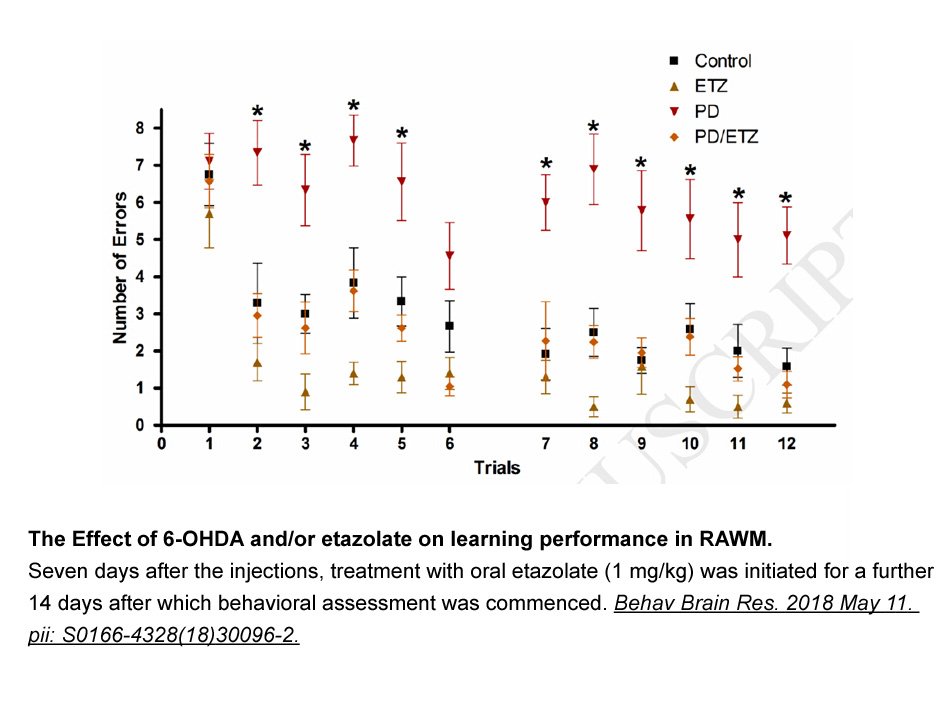
These data indicate that, in the context of the N-terminal 42 amino acids of p53, threonine 18 is a substrate for phosphorylation by CK1 as mediated by prior phosphorylation of serine 15. To determine whether this is a property of full length p53, GST-p53 fusion proteins comprising the full length p
-
br Funding This work was supported
2021-02-24
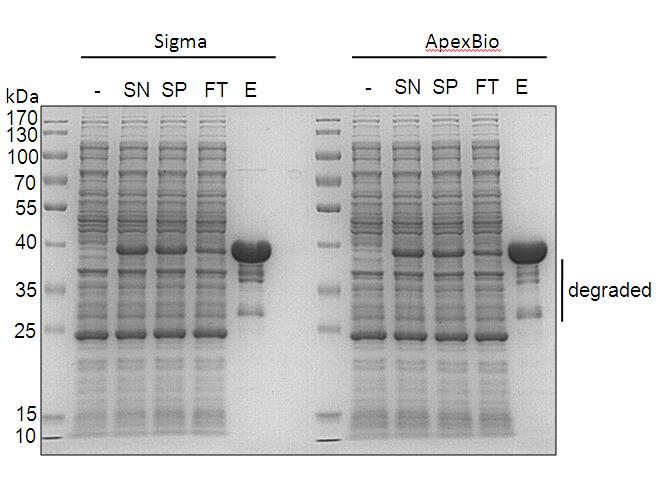
Funding This work was supported by the National Natural Science Foundation of China (grant number 81671411); Beijing Natural Science Foundation (grant number 7162062); Beijing Nova Program Interdisciplinary Cooperation Projects (grant number Z161100004916045); Beijing Municipality Health Technolo
-
The endothelin receptor type B EDNRB belongs to the
2021-02-24
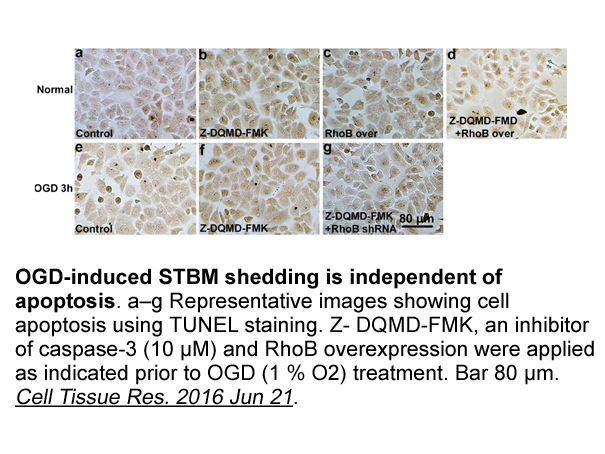
The endothelin receptor type B (EDNRB) belongs to the family of G protein-coupled receptors, which functions as a vital regulatory factor in signal transduction in cells, locating on human chromosome 13q22.3 (Ayala-Valdovinos et al., 2016; Bregar et al., 2018; Morimoto et al., 2018; Widowati et al.,
-
ck1 inhibitor ER stress was monitored by both an increase
2021-02-24
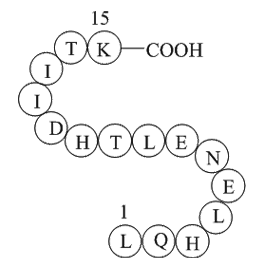
ER stress was monitored by both an increase of the ER chaperone (GRP78, GRP94) and the activation of the ER resident caspase-12. ER stress response (also known as the unfolded protein response) is a defense mechanism against various cellular stresses which causes accumulation of unfolded proteins in
-
br EBV Infection Epstein Barr virus EBV human
2021-02-24
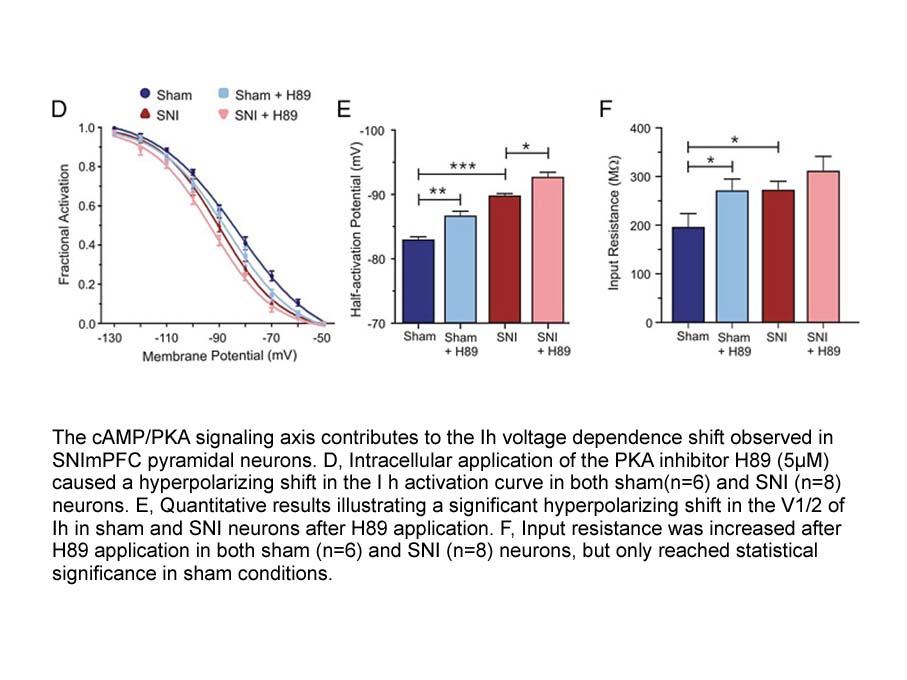
EBV Infection Epstein–Barr virus (EBV, human herpesvirus 4) was discovered 50 years ago, when Epstein, Achong, and Barr used electron microscopy to identify viral particles in Burkitt's lymphoma cells. It belongs to the lymphocryptovirus (LCV) genus of the gammaherpesvirus subfamily (Fig. 1A). Th
-
Compounds that interact with MDR can do so by different
2021-02-24
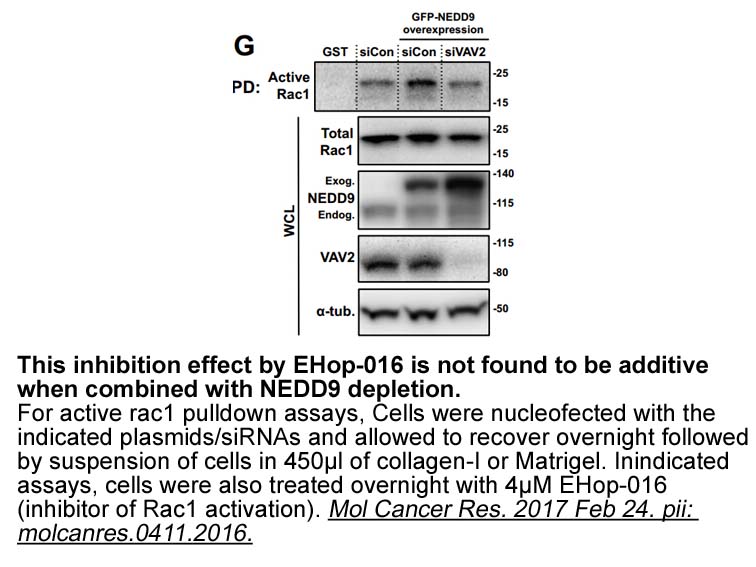
Compounds that interact with MDR1 can do so by different mechanisms. Verapamil is known to modulate drug resistance by acting as a competitive MDR1 substrate [36]. Interestingly, NU7441 has similar growth inhibitory activity in the sensitive and resistant meclofenamate and there was no observed red
-
As mentioned above there are two major
2021-02-24
As mentioned above, there are two major pathways for the DSB repair in mammalian cells, NHEJ and HR/HDR (homology-directed repair) [13], [51]. NHEJ is active throughout the cell cycle, predominately during the G0 and G1 phases and is considered the major pathway for the DSB repair in human cells [52
-
br Author Contributions br Acknowledgments br Introduction M
2021-02-24

Author Contributions Acknowledgments Introduction Many anticancer agents bind covalently to DNA, introduce bulky adducts, and inhibit DNA metabolic processes including repair, replication and transcription.1., 2., 3. Frequently, the first enzymes to encounter DNA adducts are DNA helicases.
16400 records 714/1094 page Previous Next First page 上5页 711712713714715 下5页 Last page